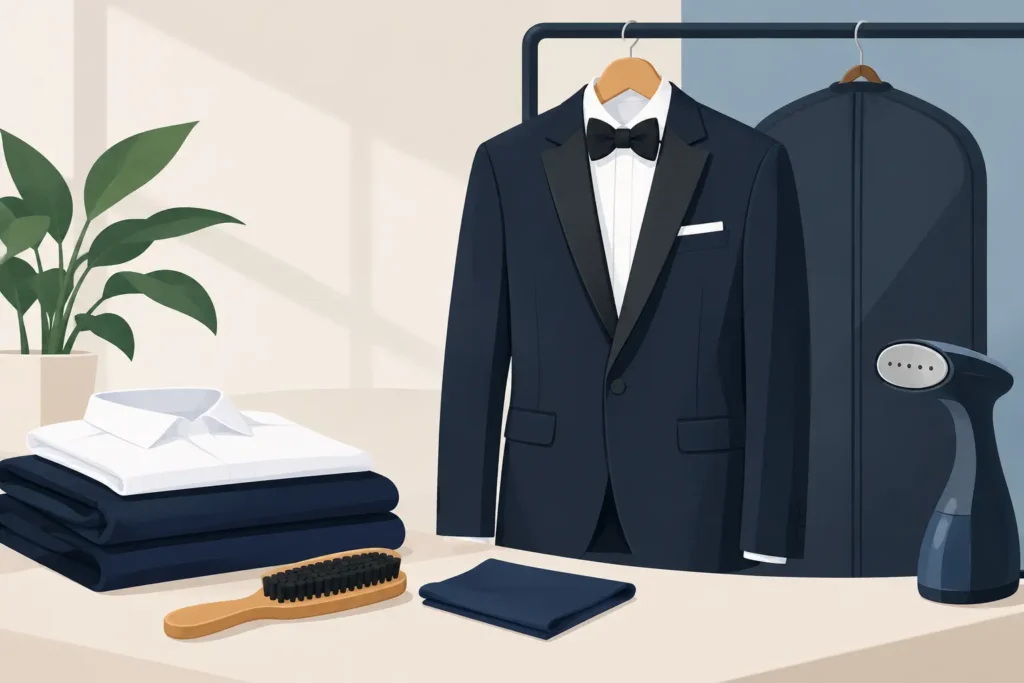
A formal outfit often spends far more time hanging in the wardrobe than it does being worn. That is exactly why formalwear care matters. A suit, cocktail dress, tuxedo, silk blouse or evening gown can look perfect for one event, then develop creases, hidden marks or fabric damage before the next one if it is packed away without the right attention.
For Perth professionals, wedding guests and anyone dressing up for a special occasion, looking after formal clothing is about more than keeping it clean. It protects the fit, colour, finish and confidence you feel when you put it on. A little care after each wear can make a quality garment last through years of dinners, work functions, celebrations and milestone events.
Formalwear care starts as soon as you get home
It is tempting to take off formal clothes, place them over a chair and deal with them later. Unfortunately, that is when wrinkles settle, stains dry and delicate fabrics can lose their shape. Give each garment a quick check before it goes back into the wardrobe.
Look for marks around the collar, cuffs, underarms and hem. Food, makeup, perfume, wine and perspiration can all leave residue that becomes harder to remove with time. Even if there is no obvious stain, a garment worn for a long evening may need airing before storage.
Hang suits, blazers, dresses and tailored trousers on suitable hangers straight away. A structured jacket needs a broad, shaped hanger that supports the shoulders. Fine straps and delicate tops are better on padded hangers or folded carefully to prevent stretching. Avoid cramming formal pieces into a crowded wardrobe, where crushed sleeves and creased skirts are almost guaranteed.
For a garment that only needs freshening, allow it to air in a cool, dry room away from direct sunlight. Do not leave it outside for extended periods, particularly in harsh Perth sun, as colour can fade and some fabrics can become brittle.
Know the fabric before you treat a mark
Formal garments are rarely simple. One dress may combine silk, lace, beading and a delicate lining. A tailored suit may have wool on the outside, canvas construction inside and details that react differently to water, heat and cleaning products. The care label is useful, but it does not always tell the full story when a stain is involved.
If you spill something, blot it gently with a clean white cloth. Do not rub. Rubbing pushes a stain deeper into the fibres and can distort satin, velvet or fine wool. Avoid using hand soap, supermarket stain sprays or makeup wipes on a special garment unless the label clearly supports that treatment. These products can cause colour loss, water rings or a sticky residue that makes professional cleaning more difficult later.
The safest approach depends on the fabric and the stain. A washable polyester dress may tolerate careful spot treatment, while a silk gown or wool dinner jacket needs a more cautious method. If you are unsure, leave the mark alone and arrange professional cleaning as soon as possible. Honest advice early can save a garment that has sentimental or significant value.
Be especially careful with delicate finishes
Sequins, beads, metallic thread, appliqué, lace and glued embellishments need gentle handling. Do not soak them, scrub them or press directly over the decoration. Heat can melt adhesives, while rough treatment can loosen stitching and snag fine thread.
Wedding dresses, formal gowns and designer pieces often need inspection before cleaning so the right method can be chosen for the fabric, construction and trims. This is particularly worthwhile for garments you plan to keep, resell or pass on.
Pressing is not the same as ironing
A sharp finish is one of the biggest reasons formal clothes look expensive and well cared for. But an iron used at the wrong temperature can leave shine on wool, scorch silk or flatten velvet in seconds. At home, a steamer is often a safer option for light creases in many dresses, blouses and trousers, provided you keep the nozzle moving and follow the care label.
Tailored items need more than a quick pass with an iron. Lapels, trouser creases, pleats and structured shoulders benefit from professional pressing that restores shape without flattening the fabric. A press cloth can help if you need to iron at home, but it is best to avoid direct heat on delicate fibres, prints and embellishments.
For a suit or blazer, do not clean it after every short wear unless it is marked or has absorbed odours. Frequent unnecessary cleaning can be harder on some fabrics than sensible airing and brushing. Instead, use a soft garment brush to remove surface dust and lint, then have the piece professionally cleaned when it needs a proper refresh.
Store formal garments for their next occasion
Good storage prevents many of the problems people assume are caused by cleaning. Before putting formalwear away for a season, make sure it is fully clean and dry. Invisible body oils, fragrance and food residue can attract insects or lead to yellowing over time.
Breathable garment bags are a better choice than sealed plastic dry-cleaning covers for long-term storage. Plastic can trap moisture and odours, especially during warm weather. For dresses with beading, heavy skirts or fragile straps, consider folding with acid-free tissue between layers rather than hanging the garment for months. The right choice depends on the weight and construction of the piece.
Store garments in a cool, dark, dry wardrobe with enough room for air to circulate. Avoid damp cupboards, garages and roof spaces, where heat, humidity and dust can affect fabric. Cedar or other suitable wardrobe protection can help deter insects, but keep products from directly touching clothing to prevent staining.
When professional formalwear cleaning is the sensible choice
Some formal clothes can be gently cared for at home between wears. Others deserve specialist attention from the start. Professional cleaning is a sensible option when the garment is labelled dry clean only, has a visible stain, includes delicate trims, has a strong odour, or needs crisp pressing for an upcoming event.
It is also helpful after a wedding, gala, race day, school ball or work function, when a garment may have picked up marks you have not noticed yet. Treating stains promptly gives cleaners the best chance of lifting them while preserving the fabric’s colour and finish.
At Petal Fresh Dry Cleaners, formal garments are assessed with care so the cleaning approach suits the item rather than following a one-size-fits-all process. From a favourite suit that needs a fresh press to a special-occasion dress requiring careful stain treatment, professional care helps your clothing return clean, well presented and ready to wear.
Allow time before the event
Do not leave cleaning, repairs or alterations until the day before you need your outfit. A loose hem, missing button, broken zip or poor fit can often be fixed, but rushing reduces your options. Check your formalwear one or two weeks ahead, try it on with the shoes and accessories you plan to wear, and arrange any cleaning or alterations early.
This also gives you time to inspect the garment when it is returned. You can hang it correctly, keep it protected and avoid the last-minute stress of finding a crease or mark just before leaving home.
Small habits that protect your best clothes
The most effective formalwear care is usually quiet and consistent. Wear a light layer under a jacket where appropriate to reduce contact with perspiration. Apply perfume, deodorant and hairspray before dressing, then allow them to dry. Be mindful of pale fabrics near food, makeup and drinks, especially at crowded events.
After wearing a suit, empty the pockets and let it rest between occasions. Rotate formal shirts rather than wearing the same one repeatedly without washing. For evening dresses, check straps, hooks and hems before and after each wear. Catching a loose thread early is much easier than repairing a tear later.
Your formalwear is there for the moments when you want to feel your best. Treat it with the same care you give the occasion, and each stitch, seam and crease will be ready when the next invitation arrives.