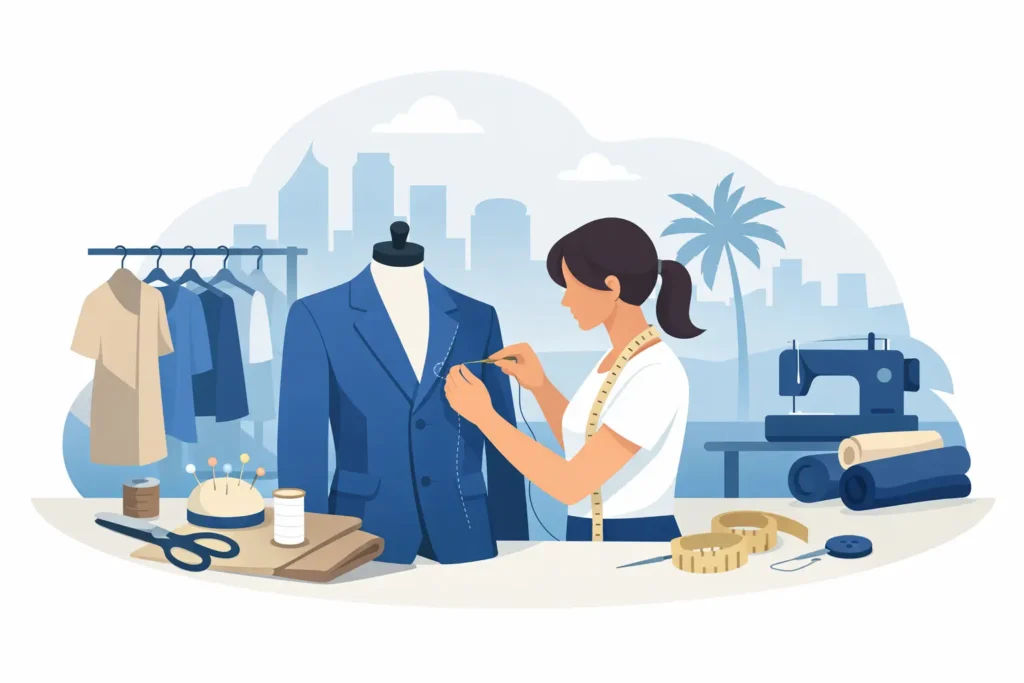
A jacket that sits neatly through the shoulders, trousers that break at the right point above your shoes, and a dress that moves comfortably can change how you feel walking out the door. Clothing alterations Perth customers choose are not just about making something smaller or shorter. They are about keeping good garments in use, protecting the pieces you love, and helping every outfit feel more like your own.
A quality alteration should look as though it was always part of the garment. The stitching needs to be secure, the new line needs to suit the fabric, and the fit needs to work when you are sitting, walking and getting through a busy day. That is where careful, professional garment care makes a real difference.
When an alteration is worth it
Not every item needs tailoring, but many garments are worth adjusting rather than replacing. A well-made blazer, a favourite pair of jeans, quality work trousers or a formal dress often has plenty of life left in it. If the fabric is still in good condition and the garment fits well in its key areas, an alteration can be a practical and affordable choice.
The key areas are different for each item. With a jacket, shoulders are usually the most complex area to change, while sleeve length, waist shape and trouser hems may be more straightforward. With a dress, the bodice, waist and hem all affect the final result. For trousers, getting the rise, waist and length right can make an off-the-rack pair look far more polished.
It depends on the garment’s construction, fabric and how much change is needed. A simple hem may be a quick fix, while reshaping a lined formal garment takes more planning and precision. Honest advice matters here. Sometimes a repair or alteration is the best option; other times, extensive work may not be cost-effective for the item.
Common clothing alterations in Perth households
Busy wardrobes tend to need the same kinds of attention. School uniforms need hems adjusted as children grow. Office shirts lose buttons. Work trousers wear through at the inner thigh. A last-minute event reveals that a dress needs taking in, or a suit sleeve is just a little too long.
Professional alterations can help with everyday fixes such as shortening or lengthening hems, taking in or letting out waistbands where the garment allows, replacing buttons, repairing seams, patching worn areas and fixing zips. More detailed work may include adjusting dress straps, tapering trousers, reshaping skirts or repairing damaged linings.
The best approach is to assess the garment in person before promising a result. Fabric behaves differently once it is cut and sewn. Linen can crease and soften with wear, wool needs careful handling, and delicate fabrics such as silk, lace and chiffon require a lighter touch. Stretch fabrics also need the right stitch and finish so they retain their shape instead of puckering or pulling.
Hems are small details with a big effect
A poorly finished hem can make an otherwise smart outfit look unfinished. The right length also changes how a garment sits on your body. Wide-leg trousers may need a different break from tapered chinos, while a maxi dress needs enough clearance to avoid dragging across footpaths and floors.
Bring the shoes you plan to wear with the garment where possible. Heel height, sole thickness and even the way you stand can affect the ideal hem length. For uniforms and everyday clothes, a practical length often matters more than an exact fashion finish. For formalwear, the finish should be considered alongside the event shoes and undergarments.
Repairs keep trusted clothes working harder
A loose seam or missing button does not have to send a garment to the back of the wardrobe. Early repairs are often simpler and neater than waiting until the damage spreads. Reinforcing a weakened seam, replacing a zip before it fails completely or mending a small tear can preserve both the look and lifespan of your clothing.
This is particularly useful for quality knitwear, office attire, sports uniforms and children’s clothes. These pieces are worn often, washed often and relied on heavily. A professional repair can help them return to regular use without looking like an afterthought.
Getting the fit right before work begins
Good alterations start with clear communication. Think about how you want to wear the garment, not simply what feels wrong when you first put it on. Do you need room to move during a long workday? Is the dress for one special event or part of your regular wardrobe? Are you planning to wear it with flats, boots or heels?
Wear or bring the undergarments and shoes that will be paired with the garment, especially for formal dresses, suits and fitted trousers. Shapewear, bra style and footwear can alter the way a piece sits. If you have a favourite garment with a fit you like, it can also be helpful as a reference.
Be realistic about timing. Simple repairs may be completed promptly, but wedding dresses, detailed formalwear, lined garments and multiple alterations can require more time. Allowing room before an event reduces pressure and gives you time for a final fitting if needed.
Why fabric care and alterations belong together
A garment should be clean and ready for inspection before it is altered. Marks, hidden stains and worn areas can change the decision about whether repair work is worthwhile. Cleaning first also helps ensure hems, seams and alterations are completed on fabric in its proper condition, rather than fabric that may shrink or shift after its next clean.
This matters for delicate and sentimental items. Wedding dresses, embellished gowns, silk blouses and tailored wool garments may need fabric-specific cleaning alongside alteration work. Handling both needs with care helps maintain the garment’s colour, drape and finish while reducing the inconvenience of organising separate services.
At Petal Fresh Dry Cleaners, clothing care is approached as one practical service: garments can be cleaned, pressed, repaired or altered, then returned ready to wear. For households balancing work, family and weekend plans, collection and delivery can make the process far easier to manage.
A practical checklist before you book
Before handing over an item, check the label, pockets and overall condition. Remove personal items, point out stains or areas of damage, and explain any previous alterations. If there is a specific concern, such as a broken zip catching on fabric or a hem that must match another garment, mention it from the start.
It also helps to set priorities. If you need a suit ready for an interview, the finish and turnaround may matter most. If you are updating everyday jeans, durability and comfortable movement may be the priority. For a bridesmaid dress, the final look, shoe height and fitting time all deserve attention.
Clothing alterations Perth customers can plan with confidence
The right alteration does more than correct a measurement. It makes clothes easier to wear, helps you get better value from pieces already in your wardrobe and gives you confidence that your outfit will hold up through real life.
Whether it is a quick button repair, a clean trouser hem or a careful adjustment to a special garment, do not leave it until the morning you need it. Give the item the time and care it deserves, and it can be ready to support your next workday, celebration or ordinary busy week.